

The living room is where humans come to relax and dogs…test the limits of your patience. For humans, it’s about comfort, aesthetics, circulation. For dogs, it’s a living, breathing sensory environment that either calms them or pushes them into high arousal. That spot they’ve claimed on your sofa? That sudden dash across the room at 7:02pm? These are not random, they’re signals.
Understanding this at the nervous system level will help you understand your Companion better. Dog friendly floor plans aren’t just about convenience or aesthetics, they’re about creating spaces that support regulated behaviour, reduce stress, and encourage appropriate engagement.
Why the Living Room Often Fails the Nervous System Test
Humans design spaces based on symmetry, sight lines, and Instagrammable corners. Dogs are more like internal compass + radar + thermostat. They scan for exits, comfort, warmth, social access, and potential stressors. When these cues are missing or confusing, your dog’s nervous system ramps up.
Some examples of nervous system misalignment in living rooms:
- Furniture blocking sight lines, leading to hyper-vigilance.
- Too many conflicting surfaces (slick rugs, slippery floors) increasing startle responses.
- Overly busy layouts that prevent your dog from retreating safely.
- Poorly lit corners that feel like “trap zones” or create anxiety.
The result? Pacing, intense focus on doors, or zoomies that aren’t playful bursts, but stress released energy. A dog friendly living room should reduce these triggers, not just survive them.
Sight Lines and the Psychology of Calm
Dogs are wired to monitor the environment. Their survival instincts rely on being able to see exits, humans, and key spaces. Blocked sight lines create micro stress, even if they don’t bark about it.
Design Tip
- Place dog beds or mats where your dog can observe entrances without being in the human traffic path.
- Consider low benches or furniture that allow visual access without creating obstacles.
- Retreat corners are powerful: a slightly enclosed but visible spot lets your dog regulate arousal.
The goal is to give the dog agency: a choice to engage, observe, or rest.
Sunlight, Temperature & Arousal Regulation
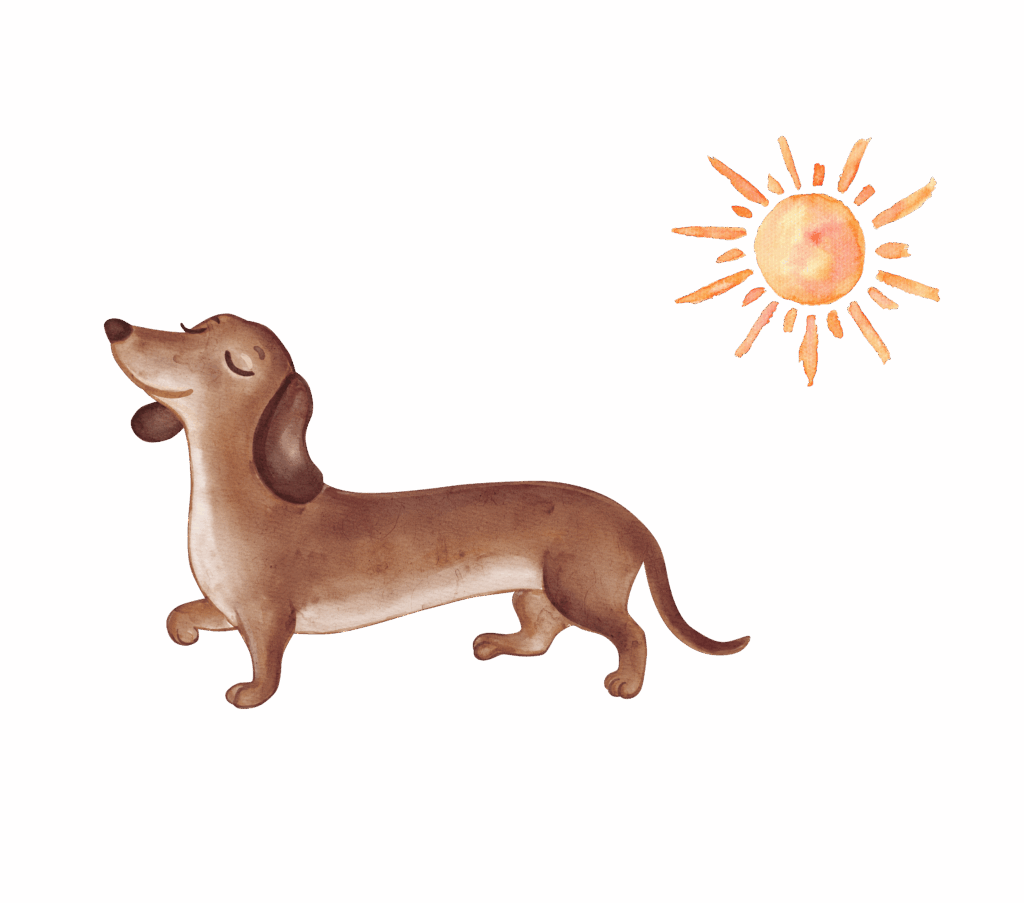
Warmth and light are neurological regulators. A sunny patch is more than a comfort preference, it’s calming input for the nervous system. Dogs seek these spots to downshift arousal.
Design Tip
- Observe where natural light falls throughout the day.
- Place mats, beds, or low rugs in those patches to give your dog predictable, safe sun spots.
- Avoid forcing them onto high surfaces to chase sunlight—they prefer low, accessible spaces where they feel grounded.
This is why a living room that ignores thermal and lighting cues creates micro stress and can inadvertently lead to higher arousal behaviours, like darting or barking at nothing.
Textures, Floors, and Safety
A slick rug or slippery floor isn’t just inconvenient, it’s stressful. Dogs need proprioceptive input to feel secure underfoot. Without it, they move cautiously or overcompensate with bursts of energy.
Design Tip
- Low-pile, textured rugs provide stability and calming sensory feedback.
- Layer options: rug for traction, cushion for optional softness.
- Avoid fluffy surfaces that trap or confuse paws, they can inadvertently increase arousal instead of soothing.
Furniture Placement for the Nervous System
Traditional floating furniture is designed for human flow. Dogs think in arcs, circles, patrol zones, and comfort points. Misplaced furniture can unintentionally block retreat, obscure sight lines, or funnel them into high arousal paths.
Design Tip
- Create clear movement pathways that allow choice and retreat.
- Establish a ‘triangle of calm’: sofa, dog bed, and light source in a configuration that promotes observation, rest, and engagement.
- Avoid constricted coffee table layouts, they create tension and micro startle triggers.
Zones Instead of Rooms
Humans think in rooms. Dogs think in functional zones: rest, observation, social engagement, play. When zones overlap chaotically, arousal rises.
Design Tip
- Zone 1: human seating / social
- Zone 2: dog rest & observation
- Zone 3: play & enrichment
- Zone 4: circulation
Use rugs, furniture, and lighting to define zones. Each zone should allow choice, giving your dog agency to self-regulate.
Easy adjustments
- Rotate beds to predictable sun patches: helps dogs downshift.
- Align dog beds with sight lines: reduces vigilance and stress related pacing.
- Keep circulation clear: prevents accidental startle triggers.
- Integrate enrichment subtly: a visually calm basket with toys supports choice and engagement.
Living Room as a Regulatory Space
A living room that considers the dog’s nervous system is not only calmer, it is smarter. Reduced micro stress, clear sight lines, appropriate textures, sunlight access, and defined zones lead to fewer reactive behaviours, more rest, and yes, fewer zoomies that are stress based rather than playful.
Designing from this lens transforms the space from a ‘living room with dog beds’ into a shared environment that respects human and animal needs alike.
Did you try any of these adjustments? let me know here: https://wylderwoodsdesign.com/connect
The living room is where humans come to relax and dogs…test the limits of your patience. For humans, it’s about comfort, aesthetics, circulation. For dogs, it’s a living, breathing sensory environment that either calms them or pushes them into high arousal. That spot they’ve claimed on your sofa? That sudden dash across the room at 7:02pm? These are not random, they’re signals.
Understanding this at the nervous system level will help you understand your Companion better. Dog friendly floor plans aren’t just about convenience or aesthetics, they’re about creating spaces that support regulated behaviour, reduce stress, and encourage appropriate engagement.
Why the Living Room Often Fails the Nervous System Test
Humans design spaces based on symmetry, sight lines, and Instagrammable corners. Dogs are more like internal compass + radar + thermostat. They scan for exits, comfort, warmth, social access, and potential stressors. When these cues are missing or confusing, your dog’s nervous system ramps up.
Some examples of nervous system misalignment in living rooms:
- Furniture blocking sight lines, leading to hyper-vigilance.
- Too many conflicting surfaces (slick rugs, slippery floors) increasing startle responses.
- Overly busy layouts that prevent your dog from retreating safely.
- Poorly lit corners that feel like “trap zones” or create anxiety.
The result? Pacing, intense focus on doors, or zoomies that aren’t playful bursts, but stress released energy. A dog friendly living room should reduce these triggers, not just survive them.
Sight Lines and the Psychology of Calm
Dogs are wired to monitor the environment. Their survival instincts rely on being able to see exits, humans, and key spaces. Blocked sight lines create micro stress, even if they don’t bark about it.
Design Tip
- Place dog beds or mats where your dog can observe entrances without being in the human traffic path.
- Consider low benches or furniture that allow visual access without creating obstacles.
- Retreat corners are powerful: a slightly enclosed but visible spot lets your dog regulate arousal.
The goal is to give the dog agency: a choice to engage, observe, or rest.
Sunlight, Temperature & Arousal Regulation
Warmth and light are neurological regulators. A sunny patch is more than a comfort preference, it’s calming input for the nervous system. Dogs seek these spots to downshift arousal.
Design Tip
- Observe where natural light falls throughout the day.
- Place mats, beds, or low rugs in those patches to give your dog predictable, safe sun spots.
- Avoid forcing them onto high surfaces to chase sunlight—they prefer low, accessible spaces where they feel grounded.
This is why a living room that ignores thermal and lighting cues creates micro stress and can inadvertently lead to higher arousal behaviours, like darting or barking at nothing.
Textures, Floors, and Safety
A slick rug or slippery floor isn’t just inconvenient, it’s stressful. Dogs need proprioceptive input to feel secure underfoot. Without it, they move cautiously or overcompensate with bursts of energy.
Design Tip
- Low-pile, textured rugs provide stability and calming sensory feedback.
- Layer options: rug for traction, cushion for optional softness.
- Avoid fluffy surfaces that trap or confuse paws, they can inadvertently increase arousal instead of soothing.
Furniture Placement for the Nervous System
Traditional floating furniture is designed for human flow. Dogs think in arcs, circles, patrol zones, and comfort points. Misplaced furniture can unintentionally block retreat, obscure sight lines, or funnel them into high arousal paths.
Design Tip
- Create clear movement pathways that allow choice and retreat.
- Establish a ‘triangle of calm’: sofa, dog bed, and light source in a configuration that promotes observation, rest, and engagement.
- Avoid constricted coffee table layouts, they create tension and micro startle triggers.
Zones Instead of Rooms
Humans think in rooms. Dogs think in functional zones: rest, observation, social engagement, play. When zones overlap chaotically, arousal rises.
Design Tip
- Zone 1: human seating / social
- Zone 2: dog rest & observation
- Zone 3: play & enrichment
- Zone 4: circulation
Use rugs, furniture, and lighting to define zones. Each zone should allow choice, giving your dog agency to self-regulate.
Easy adjustments
- Rotate beds to predictable sun patches: helps dogs downshift.
- Align dog beds with sight lines: reduces vigilance and stress related pacing.
- Keep circulation clear: prevents accidental startle triggers.
- Integrate enrichment subtly: a visually calm basket with toys supports choice and engagement.
Living Room as a Regulatory Space
A living room that considers the dog’s nervous system is not only calmer, it is smarter. Reduced micro stress, clear sight lines, appropriate textures, sunlight access, and defined zones lead to fewer reactive behaviours, more rest, and yes, fewer zoomies that are stress based rather than playful.
Designing from this lens transforms the space from a ‘living room with dog beds’ into a shared environment that respects human and animal needs alike.
Did you try any of these adjustments? let me know here: https://wylderwoodsdesign.com/connect

Brandi Wyldewood is the founder of Wylderwoods Lighting & Design. Based on Salt Spring Island, she is a lighting led interior designer focused on creating spaces that support connection between Humans and their Companions. Her work spans residential, rural & commercial interiors, alongside the design of Wylderwoods Enrichment Park, where behavioural insight, spatial planning, & enrichment come together to support calm, regulated experiences for dogs & the people who care for them.
Learn more about Brandi Here.


LEAVE A COMMENT
Comments