

Some homes are designed for the rhythm of the seasons while some homes are clearly built for summer, with open windows, sunlit walls, & outdoor living as the default. Living in such a house year round teaches unexpected lessons about light, space, & the subtle ways design shapes how we inhabit a home.
On Salt Spring Island, where long-term rentals are scarce and seasonal homes dominate the landscape, I have been fortunate to find a small coastal cabin that I now call home.
Its white shiplap walls, simple trim, & generous windows make it effortlessly beautiful during the summer months. I am deeply grateful for this rental, yet living here through winter highlights the very qualities that make it a summer home & illuminates the lessons that any interior designer can learn from spaces built for a single season.
The Summer Cottage Aesthetic
The cabin is modelled after Canadian Coastal Cottages.
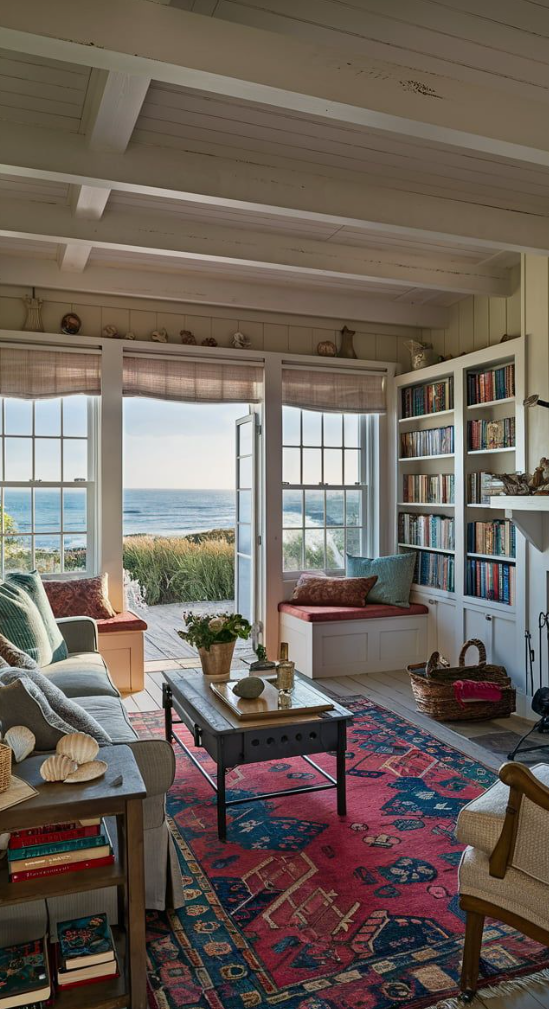
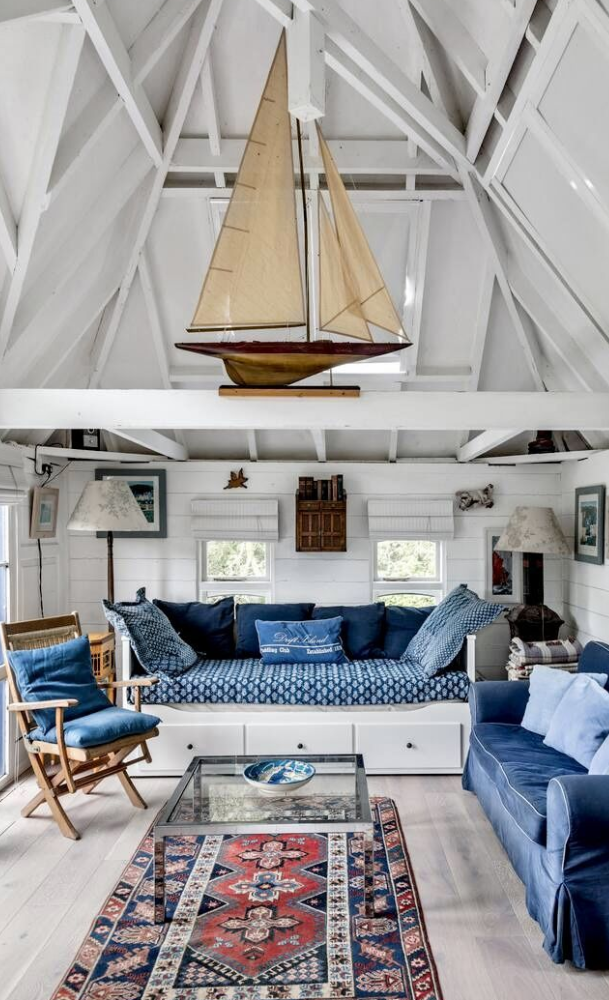
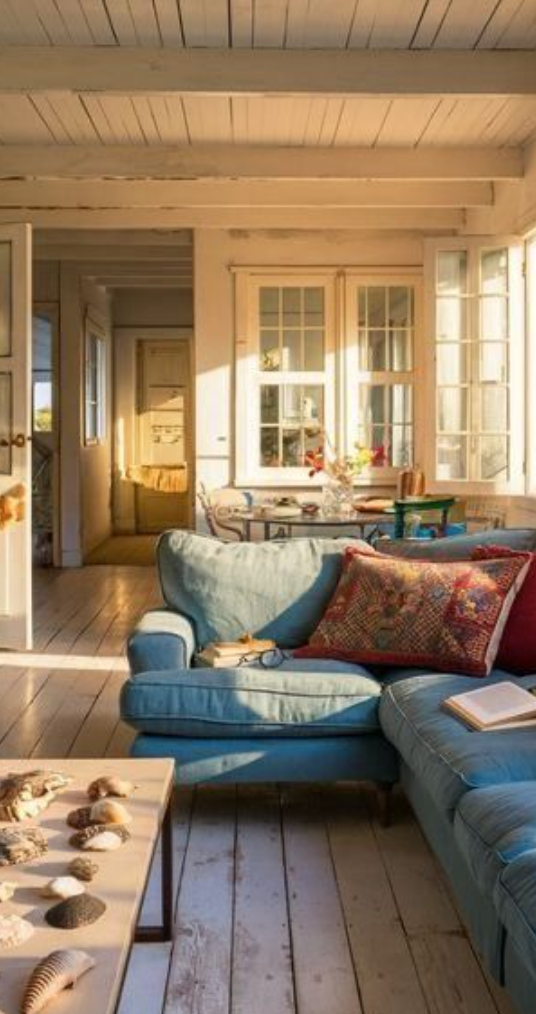
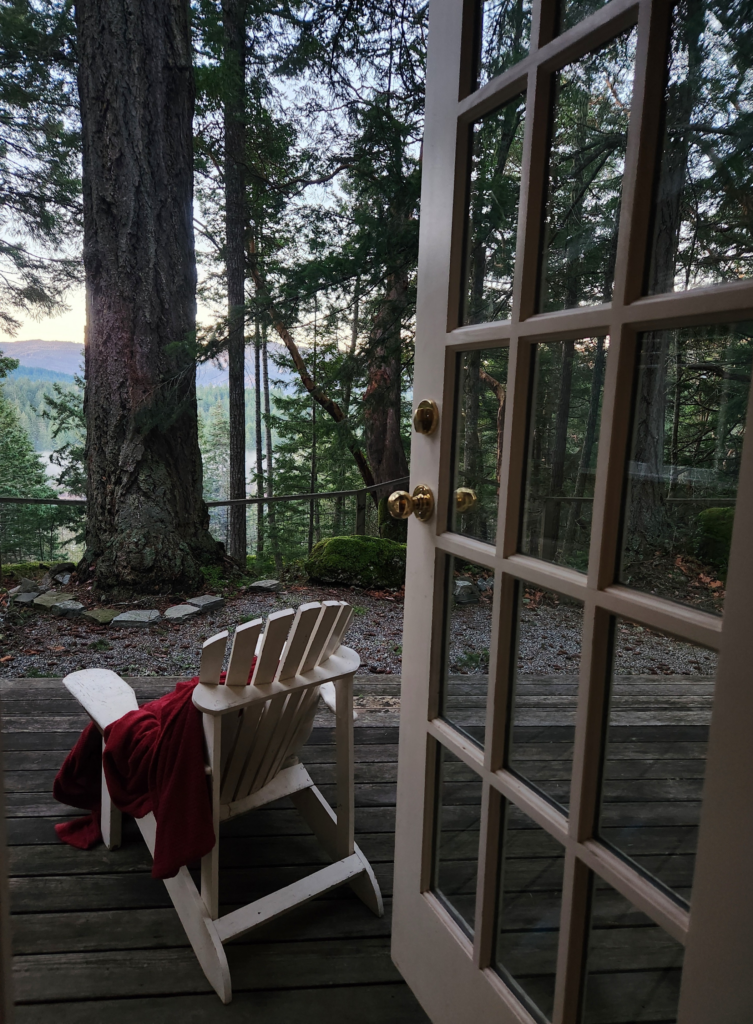
White shiplap lines the walls, the palette is light & restrained, & the architecture encourages a seamless connection with the outdoors. During summer, the house feels effortless: air flows easily, sunlight pours through the windows, & the deck becomes an extension of the living space. Every surface reflects light in a way that feels natural, almost instinctively guiding movement & daily activity.
For designers & homeowners alike, this simplicity is instructive.
Seasonal homes are built with purpose: every material, window, & doorway prioritises light, air, & outdoor connection over insulation, heating, or fixed overhead lighting.
Observing how the house functions when fully embraced for its intended season provides valuable insight into how architecture, finishes, & material choices interact to create a lived experience.
Living in a Summer Cottage Year Round: Lessons in Light & Adaptation
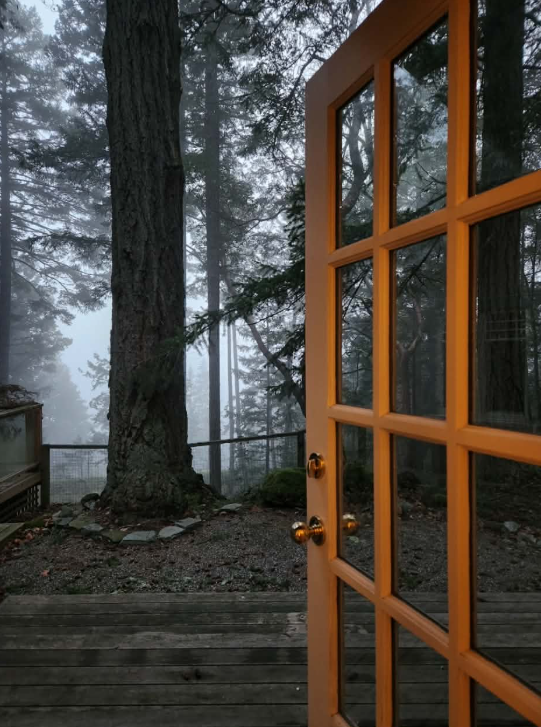
Winter on Salt Spring changes the experience entirely. My cabin has no overhead lighting, & insulation is minimal. The house that felt effortless in July suddenly requires intentional interventions to remain comfortable.
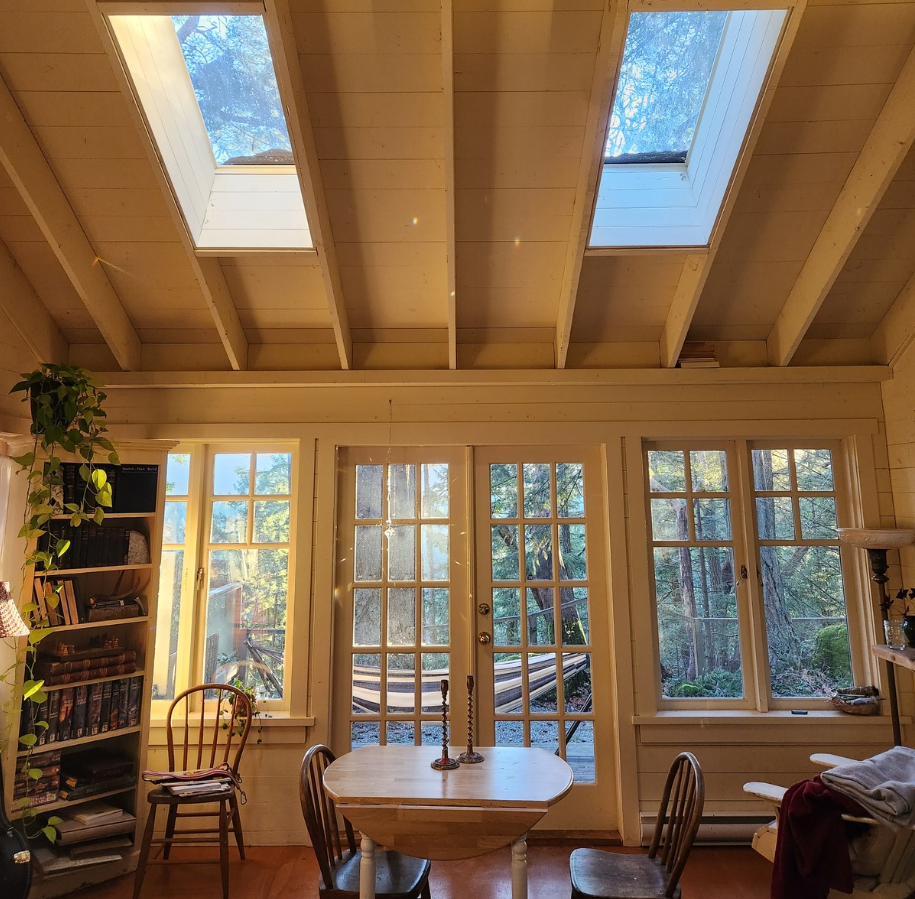
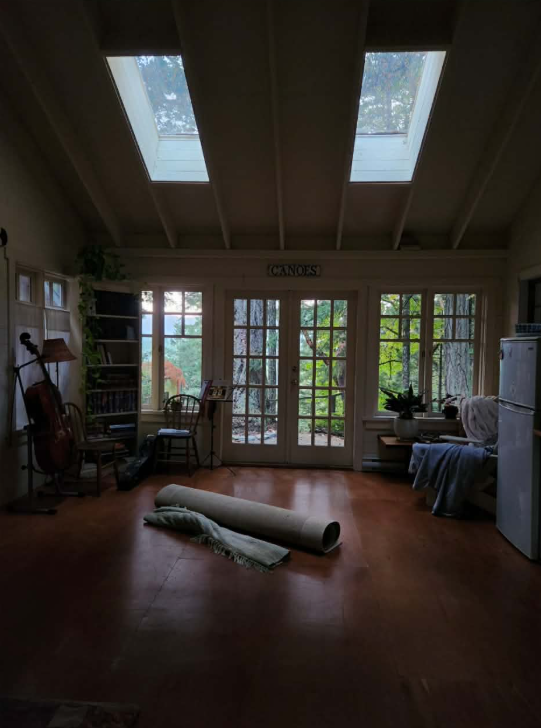
This situation offers a rare opportunity for designers to explore how spaces respond when used outside their intended season & lighting becomes a tool, not just a feature. Floor lamps define corners for reading, table lamps provide warmth to counters and workspaces, & smaller accent lamps highlight textures & architectural details that ceiling fixtures would otherwise overshadow. Each light becomes deliberate, layered, & functional, creating pockets of intimacy rather than uniform brightness.
Layering light in this way teaches a broader design principle: every source of illumination shapes not only the atmosphere but also the way a space is inhabited. Shadows, reflections, & soft pools of glow can make a house feel warmer, larger, or more inviting, even when it was not built for winter occupancy.
Textures, Furniture, & Creating Comfort
Adaptation extends beyond lighting (obviously). Rugs soften painted floors, heavier curtains reduce drafts, and throws or upholstery create warmth & visual depth. Furniture placement is equally important: grouping seating near light sources, away from cold walls, drafty windows & in patterns that encourage movement or intimacy alters how the space functions.
For designers, these small interventions demonstrate how texture, material, & placement can solve environmental challenges without altering the architecture itself. They highlight the subtle art of working with the home rather than against it, which is an essential skill for any professional working in spaces that come with constraints.
Seasonal Architecture as a Design Teacher
Observing how a seasonal home behaves through winter illuminates the relationship between architecture & human experience. Shortened daylight hours, cooler temperatures, & the absence of built-in winter features influence movement, routines, & perception.
The house shapes behaviour: chairs cluster in warm corners, blankets migrate through rooms, lamps are switched on earlier, & spaces that were used for social gathering in summer become personal, reflective zones.
For designers, this reinforces a vital insight: architecture does not exist in isolation from the people who inhabit it. Seasonal homes, in particular, are excellent case studies in how constraints can inspire creativity, layering, and intentionality.
Practical Takeaways for Designers & Homeowners
From my experience, the lessons of living in a summer cottage year round can inform any project, rental or owned:
- Lighting Layers Are Key: Avoid reliance on overhead fixtures (but make sure you have some). Use floor, table, & accent lamps to create zones, highlight textures, & maintain warmth.
- Textiles Can Transform Architecture: Rugs, curtains, & throws not only add comfort but also subtly reshape the flow of space.
- Furniture Placement Is Part of Design: Positioning seating and surfaces near light & warmth changes how the space functions and feels.
- Work With Architectural Intent: Respect the original seasonality of a home. Adapt rather than overwrite by observing how light, air, & movement were meant to interact, & let interventions complement that rhythm.
- Patience Shapes Design Thinking: Constraints teach you to notice, adapt, & experiment in ways that a fully controlled home rarely does.
These strategies are evergreen: they apply to seasonal homes, homes with challenging light, rentals, or any space where the architecture does not fully align with the inhabitant’s needs.
Gratitude & Reflection
One of the most overlooked lessons is gratitude. Being able to call a home like this mine, even temporarily, reframes challenges as opportunities. Observing how sunlight dances across shiplap walls, how shadows create intimacy, and how lamps shape the experience of evening makes each season instructive.
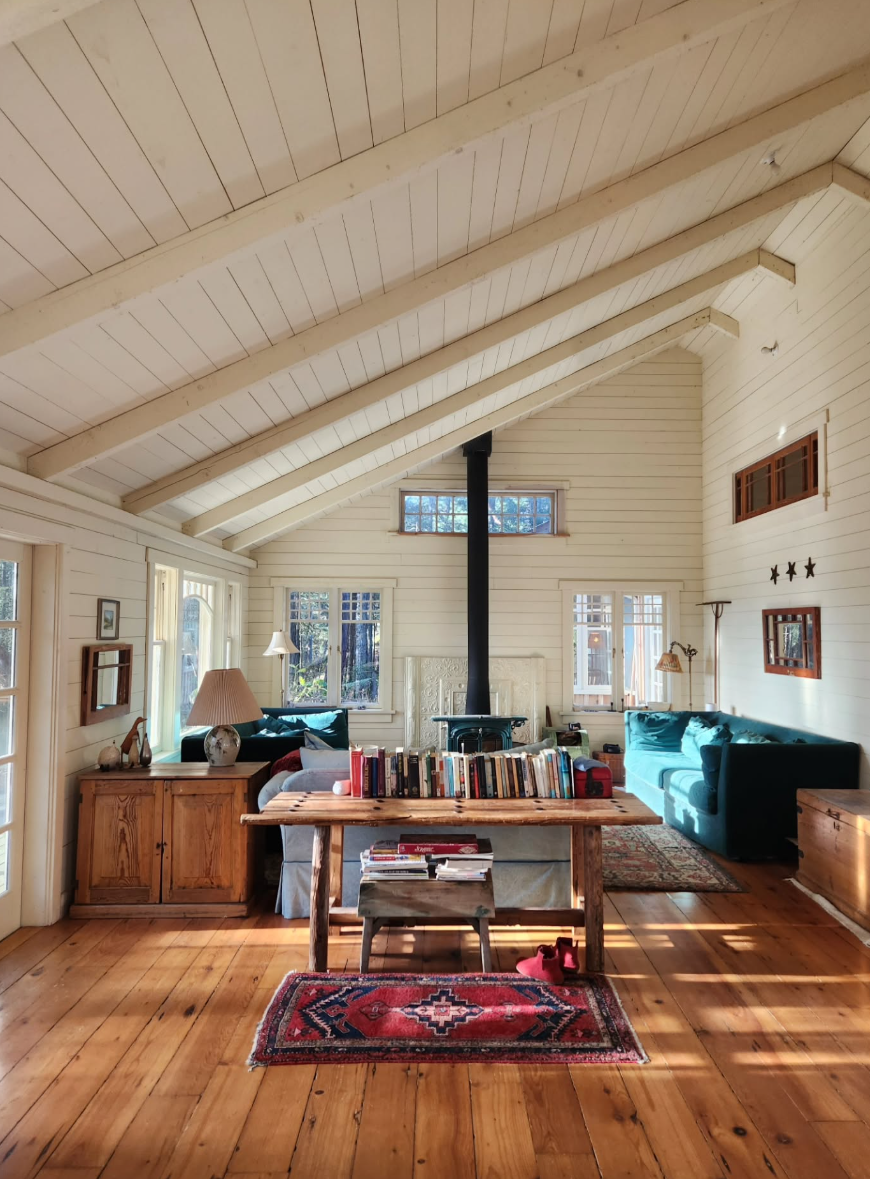
For clients seeking professional design, these are the kinds of insights that transform a space from functional to extraordinary. Lighting, material, furniture, & texture are not just choices… they are active participants in daily life, shaping behaviour, mood, & comfort.
Returning to Summer
When summer returns, the cabin transforms once again. Windows open, sunlight floods every room, & the deck becomes the natural gathering space. Lamps that were essential in winter fade into the background. The house resumes its intended rhythm effortlessly, offering lessons about both restraint & abundance in design.
Living in a seasonal home year round demonstrates that architecture is not static. It reacts, teaches, & invites intervention in subtle ways. Observing and responding to these dynamics is exactly what professional design is all about.
What would you do first to make a summer-focused home feel inviting & functional year round?
Some homes are designed for the rhythm of the seasons while some homes are clearly built for summer, with open windows, sunlit walls, & outdoor living as the default. Living in such a house year round teaches unexpected lessons about light, space, & the subtle ways design shapes how we inhabit a home.
On Salt Spring Island, where long-term rentals are scarce and seasonal homes dominate the landscape, I have been fortunate to find a small coastal cabin that I now call home.
Its white shiplap walls, simple trim, & generous windows make it effortlessly beautiful during the summer months. I am deeply grateful for this rental, yet living here through winter highlights the very qualities that make it a summer home & illuminates the lessons that any interior designer can learn from spaces built for a single season.
The Summer Cottage Aesthetic
The cabin is modelled after Canadian Coastal Cottages.
White shiplap lines the walls, the palette is light & restrained, & the architecture encourages a seamless connection with the outdoors. During summer, the house feels effortless: air flows easily, sunlight pours through the windows, & the deck becomes an extension of the living space. Every surface reflects light in a way that feels natural, almost instinctively guiding movement & daily activity.
For designers & homeowners alike, this simplicity is instructive.
Seasonal homes are built with purpose: every material, window, & doorway prioritises light, air, & outdoor connection over insulation, heating, or fixed overhead lighting.
Observing how the house functions when fully embraced for its intended season provides valuable insight into how architecture, finishes, & material choices interact to create a lived experience.
Living in a Summer Cottage Year Round: Lessons in Light & Adaptation
Winter on Salt Spring changes the experience entirely. My cabin has no overhead lighting, & insulation is minimal. The house that felt effortless in July suddenly requires intentional interventions to remain comfortable.
This situation offers a rare opportunity for designers to explore how spaces respond when used outside their intended season & lighting becomes a tool, not just a feature. Floor lamps define corners for reading, table lamps provide warmth to counters and workspaces, & smaller accent lamps highlight textures & architectural details that ceiling fixtures would otherwise overshadow. Each light becomes deliberate, layered, & functional, creating pockets of intimacy rather than uniform brightness.
Layering light in this way teaches a broader design principle: every source of illumination shapes not only the atmosphere but also the way a space is inhabited. Shadows, reflections, & soft pools of glow can make a house feel warmer, larger, or more inviting, even when it was not built for winter occupancy.
Textures, Furniture, & Creating Comfort
Adaptation extends beyond lighting (obviously). Rugs soften painted floors, heavier curtains reduce drafts, and throws or upholstery create warmth & visual depth. Furniture placement is equally important: grouping seating near light sources, away from cold walls, drafty windows & in patterns that encourage movement or intimacy alters how the space functions.
For designers, these small interventions demonstrate how texture, material, & placement can solve environmental challenges without altering the architecture itself. They highlight the subtle art of working with the home rather than against it, which is an essential skill for any professional working in spaces that come with constraints.
Seasonal Architecture as a Design Teacher
Observing how a seasonal home behaves through winter illuminates the relationship between architecture & human experience. Shortened daylight hours, cooler temperatures, & the absence of built-in winter features influence movement, routines, & perception.
The house shapes behaviour: chairs cluster in warm corners, blankets migrate through rooms, lamps are switched on earlier, & spaces that were used for social gathering in summer become personal, reflective zones.
For designers, this reinforces a vital insight: architecture does not exist in isolation from the people who inhabit it. Seasonal homes, in particular, are excellent case studies in how constraints can inspire creativity, layering, and intentionality.
Practical Takeaways for Designers & Homeowners
From my experience, the lessons of living in a summer cottage year round can inform any project, rental or owned:
- Lighting Layers Are Key: Avoid reliance on overhead fixtures (but make sure you have some). Use floor, table, & accent lamps to create zones, highlight textures, & maintain warmth.
- Textiles Can Transform Architecture: Rugs, curtains, & throws not only add comfort but also subtly reshape the flow of space.
- Furniture Placement Is Part of Design: Positioning seating and surfaces near light & warmth changes how the space functions and feels.
- Work With Architectural Intent: Respect the original seasonality of a home. Adapt rather than overwrite by observing how light, air, & movement were meant to interact, & let interventions complement that rhythm.
- Patience Shapes Design Thinking: Constraints teach you to notice, adapt, & experiment in ways that a fully controlled home rarely does.
These strategies are evergreen: they apply to seasonal homes, homes with challenging light, rentals, or any space where the architecture does not fully align with the inhabitant’s needs.
Gratitude & Reflection
One of the most overlooked lessons is gratitude. Being able to call a home like this mine, even temporarily, reframes challenges as opportunities. Observing how sunlight dances across shiplap walls, how shadows create intimacy, and how lamps shape the experience of evening makes each season instructive.
For clients seeking professional design, these are the kinds of insights that transform a space from functional to extraordinary. Lighting, material, furniture, & texture are not just choices… they are active participants in daily life, shaping behaviour, mood, & comfort.
Returning to Summer
When summer returns, the cabin transforms once again. Windows open, sunlight floods every room, & the deck becomes the natural gathering space. Lamps that were essential in winter fade into the background. The house resumes its intended rhythm effortlessly, offering lessons about both restraint & abundance in design.
Living in a seasonal home year round demonstrates that architecture is not static. It reacts, teaches, & invites intervention in subtle ways. Observing and responding to these dynamics is exactly what professional design is all about.
What would you do first to make a summer-focused home feel inviting & functional year round?

Brandi Wyldewood is the founder of Wylderwoods Lighting & Design. Based on Salt Spring Island, she is a lighting led interior designer focused on creating spaces that support connection between Humans and their Companions. Her work spans residential, rural & commercial interiors, alongside the design of Wylderwoods Enrichment Park, where behavioural insight, spatial planning, & enrichment come together to support calm, regulated experiences for dogs & the people who care for them.
Learn more about Brandi Here.


LEAVE A COMMENT
Comments