

You do care about lighting, you just don’t know it yet.
Nobody ever says lighting is their passion (unless you are me) they say they want a ‘bright space’ or ‘cozy vibes’ or that something feels a bit off.
That off feeling is almost always lighting.
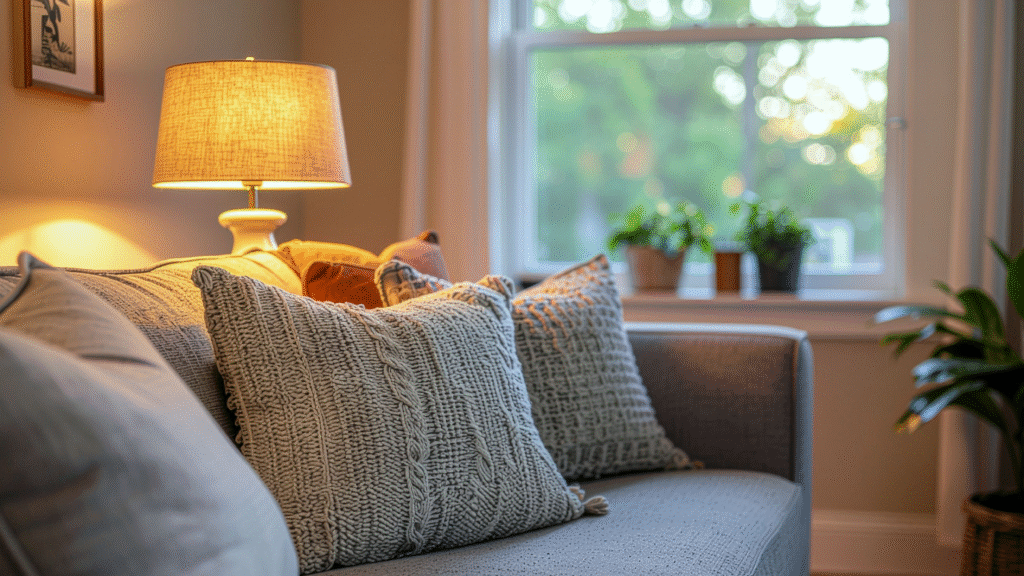
Residential lighting design is about layered lighting & designing how a space behaves at different times of day, in different seasons, & in different emotional states. It is spatial psychology & nervous system management, & often the difference between a cozy home vibes or a car showroom.
The Problem with the Big Light
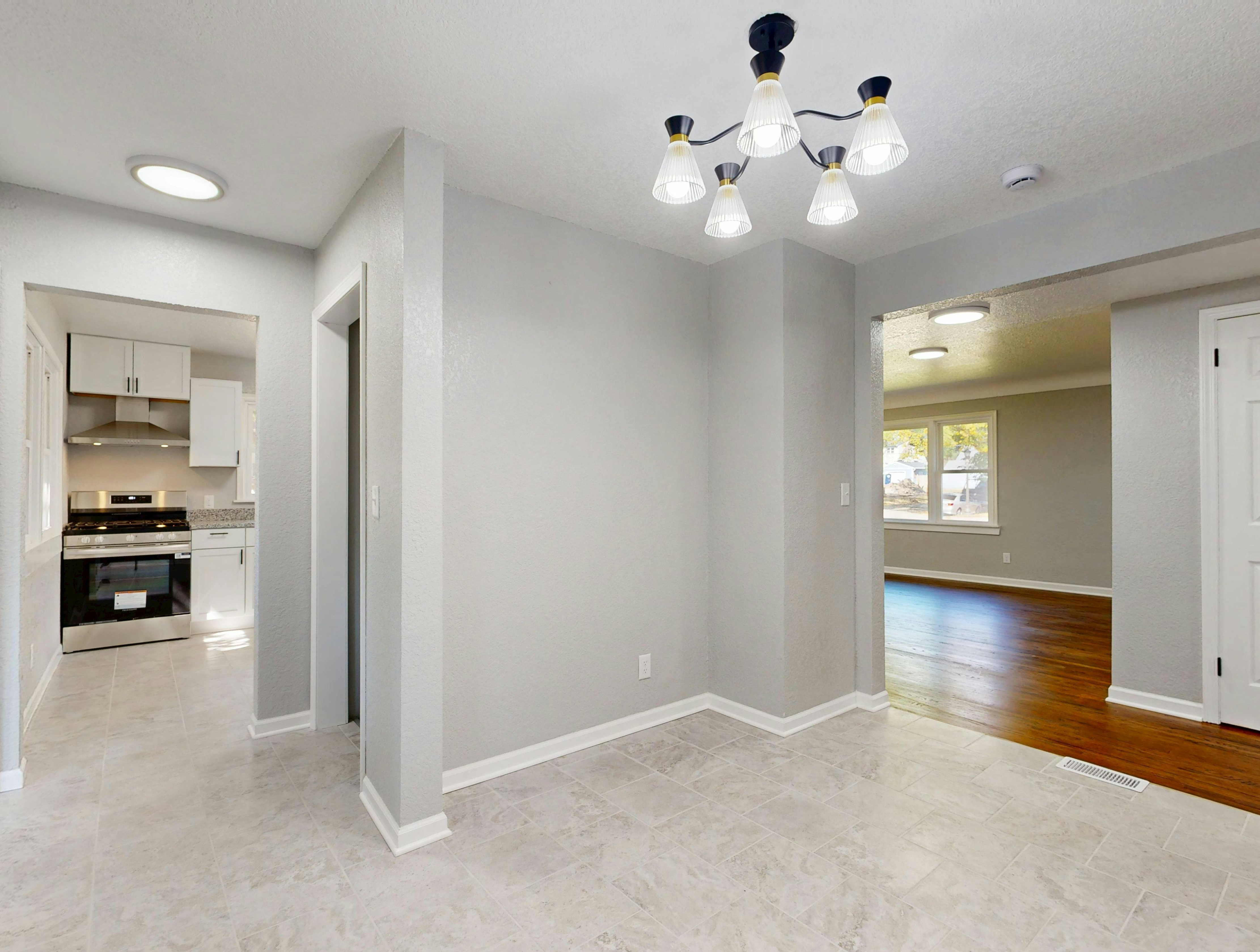
Overhead lighting is efficient…but you won’t catch me turning it on unless it’s time to vacuum.
A single ceiling fixture floods a room with uniform brightness & uniform brightness flattens texture, erases depth & makes everyone look mildly interrogated (as seen below).
By layering our lighting we can replace this feeling with intention:
- Ambient lighting for general glow
- Task lighting for function
- Accent lighting for depth
- Decorative lighting for personality
When you combine these, you create control & control creates comfort.
Why Bathrooms Deserve Better
Bathroom lighting ideas often begins & end with downlights… possibly a mirror light if we are feeling adventurous.
Yet the bathroom is where we begin and end our day, it can be where we are most unfiltered. Poor lighting here can genuinely alter how we feel about ourselves, & don’t get me started on bad lighting paired with a colour that makes you look seasick (yuck)… you deserve better.
A thoughtful interior lighting plan considers:
- Vertical lighting around the face
- Dimmable ambient light for night use
- Warm temperature for evening wind down
- Task lighting that does not distort skin tone
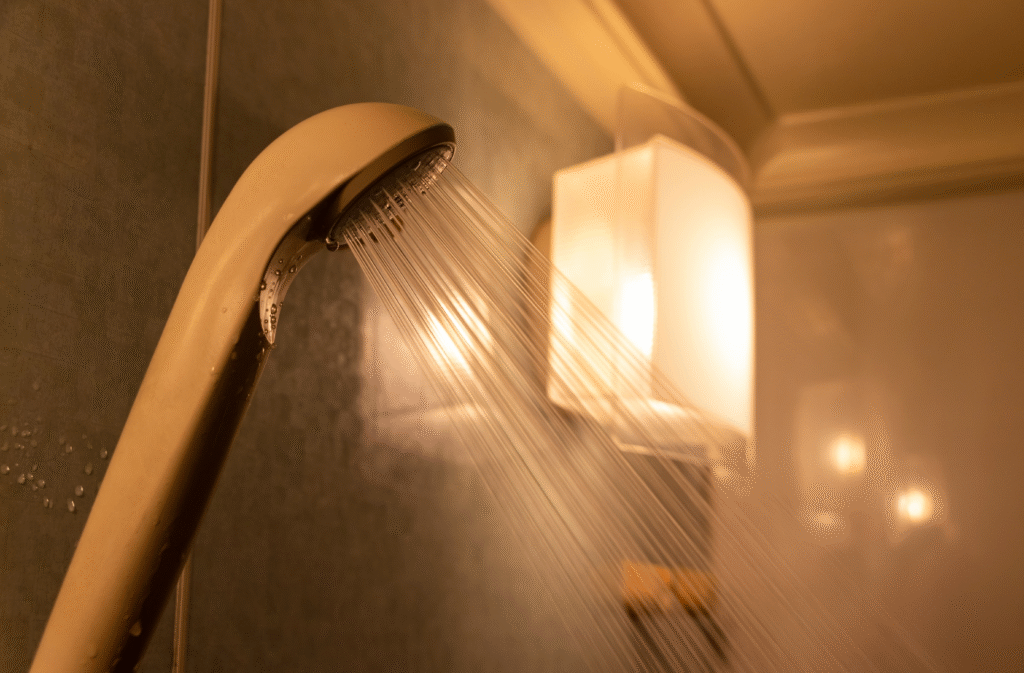
I’ve said it before & i’ll say it again, bathroom lighting should not make you question your life choices.
Lighting & Mood Regulation
We have learned that light temperature & placement affect circadian rhythm, alertness & emotional state – that is one big responsibility for lighting to hold.
Cool, bright lighting signals activity, think about your office or a car dealership.
Warm, layered lighting signals safety, think about a candle lit bath.
When we rely solely on the overhead lights, we remove the ability to shift mood as the day evolves & in open plan homes, this becomes even more important. Creating zoning through lighting layout can create invisible boundaries between cooking, relaxing & working without building walls.
Lighting in Homes with Pets
Animals respond to light differently to humans, harsh glare can agitate while consistent low level ambient light can calm. If you notice your dog pacing or asking to go out & in 100x, consider your lighting plan.
In homes with dogs consider:
- Avoiding glare at floor level
- Providing shaded corners for rest
- Using warm light in sleeping zones
Layered lighting supports both human & animal nervous systems, & I love that good design rarely serves only one species.
Lighting for Ageing Eyes
There is one thing we rarely talk about when discussing lighting design, & that is ageing.
As we get older, our eyes need more light to see clearly, simply put, we need more illumination & better contrast. The lens of the eye gradually becomes less flexible & more sensitive to glare. Low contrast environments can feel muddy, shadows become harder to read & small print becomes frustrating under the vibe lamp your granddaughter picked out.
Instead of relying on one overhead source or lamp, consider:
- Increasing overall ambient light levels while keeping them warm
- Adding focused task lighting for reading & detailed work
- Using vertical lighting on faces to reduce shadowing
- Choosing finishes with subtle contrast between walls, floors & furniture
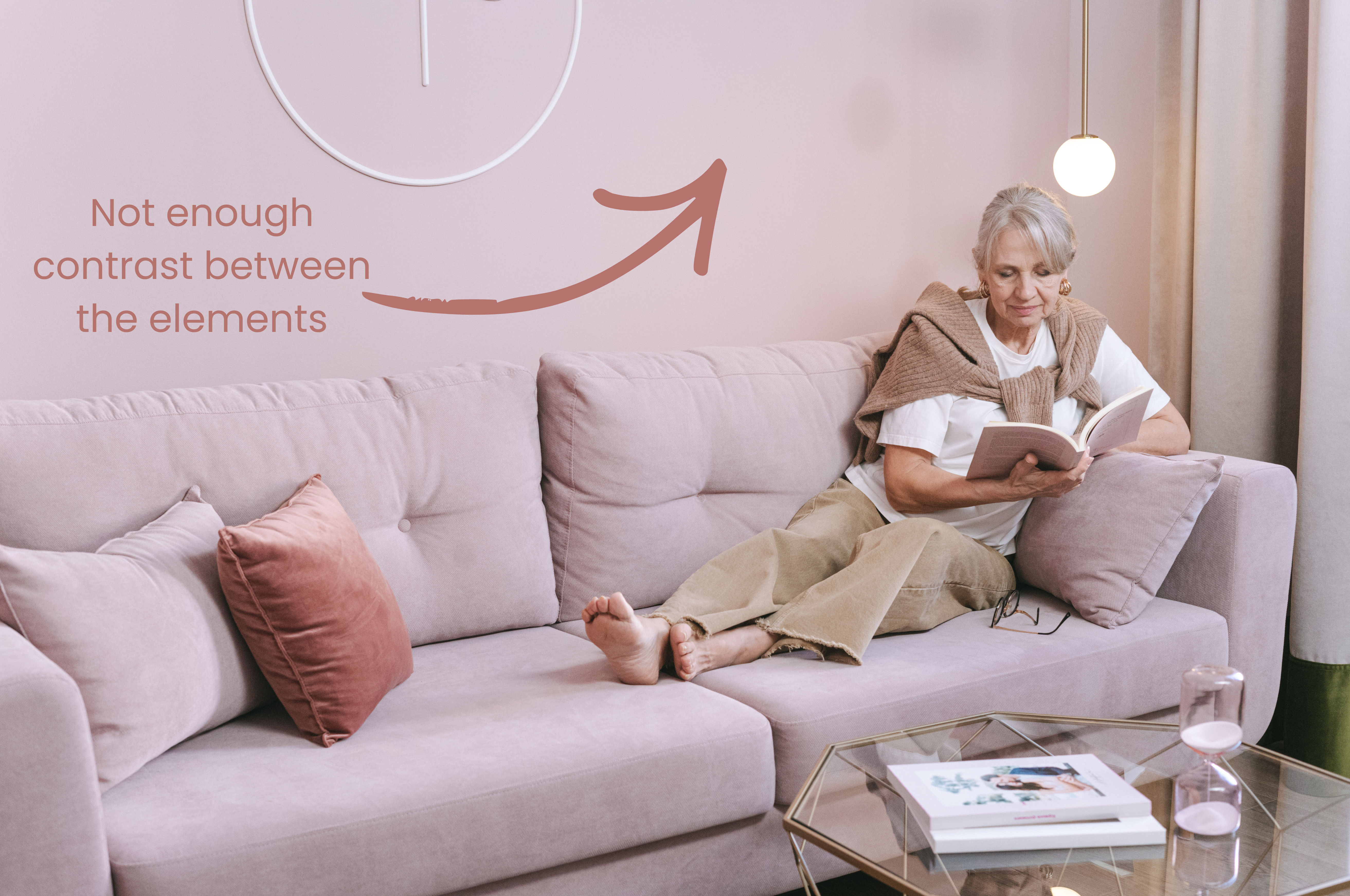
Contrast is key here, a pale sofa against a pale wall might look serene in photographs (as below), but it can become visually flat over time. By adding some gentle tonal variation we help define edges & makes spaces easier to navigate.
Switch placement and dimmers also matter, as controls should be intuitive & accessible with the ability to increase light levels when needed without flooding the room with glare.
Why It Matters More Than You Think
When lighting is correct, nobody comments on it – they simply feel good!
When lighting is wrong, everything feels slightly off, you may feel agitated, your walls may look dull, or your mood dips once the sun goes down.
In my opinion, lighting is the foundation of interior design! You may not care about fittings, but you should absolutely care about how your home feels, & that is through lighting.
Want to know more about the three types of lighting? Head Here for the free downloadable: https://wylderwoodsdesign.com/design-consultations
You do care about lighting, you just don’t know it yet.
Nobody ever says lighting is their passion (unless you are me) they say they want a ‘bright space’ or ‘cozy vibes’ or that something feels a bit off.
That off feeling is almost always lighting.
Residential lighting design is about layered lighting & designing how a space behaves at different times of day, in different seasons, & in different emotional states. It is spatial psychology & nervous system management, & often the difference between a cozy home vibes or a car showroom.
The Problem with the Big Light
Overhead lighting is efficient…but you won’t catch me turning it on unless it’s time to vacuum.
A single ceiling fixture floods a room with uniform brightness & uniform brightness flattens texture, erases depth & makes everyone look mildly interrogated (as seen below).
By layering our lighting we can replace this feeling with intention:
- Ambient lighting for general glow
- Task lighting for function
- Accent lighting for depth
- Decorative lighting for personality
When you combine these, you create control & control creates comfort.
Why Bathrooms Deserve Better
Bathroom lighting ideas often begins & end with downlights… possibly a mirror light if we are feeling adventurous.
Yet the bathroom is where we begin and end our day, it can be where we are most unfiltered. Poor lighting here can genuinely alter how we feel about ourselves, & don’t get me started on bad lighting paired with a colour that makes you look seasick (yuck)… you deserve better.
A thoughtful interior lighting plan considers:
- Vertical lighting around the face
- Dimmable ambient light for night use
- Warm temperature for evening wind down
- Task lighting that does not distort skin tone
I’ve said it before & i’ll say it again, bathroom lighting should not make you question your life choices.
Lighting & Mood Regulation
We have learned that light temperature & placement affect circadian rhythm, alertness & emotional state – that is one big responsibility for lighting to hold.
Cool, bright lighting signals activity, think about your office or a car dealership.
Warm, layered lighting signals safety, think about a candle lit bath.
When we rely solely on the overhead lights, we remove the ability to shift mood as the day evolves & in open plan homes, this becomes even more important. Creating zoning through lighting layout can create invisible boundaries between cooking, relaxing & working without building walls.
Lighting in Homes with Pets
Animals respond to light differently to humans, harsh glare can agitate while consistent low level ambient light can calm. If you notice your dog pacing or asking to go out & in 100x, consider your lighting plan.
In homes with dogs consider:
- Avoiding glare at floor level
- Providing shaded corners for rest
- Using warm light in sleeping zones
Layered lighting supports both human & animal nervous systems, & I love that good design rarely serves only one species.
Lighting for Ageing Eyes
There is one thing we rarely talk about when discussing lighting design, & that is ageing.
As we get older, our eyes need more light to see clearly, simply put, we need more illumination & better contrast. The lens of the eye gradually becomes less flexible & more sensitive to glare. Low contrast environments can feel muddy, shadows become harder to read & small print becomes frustrating under the vibe lamp your granddaughter picked out.
Instead of relying on one overhead source or lamp, consider:
- Increasing overall ambient light levels while keeping them warm
- Adding focused task lighting for reading & detailed work
- Using vertical lighting on faces to reduce shadowing
- Choosing finishes with subtle contrast between walls, floors & furniture
Contrast is key here, a pale sofa against a pale wall might look serene in photographs (as below), but it can become visually flat over time. By adding some gentle tonal variation we help define edges & makes spaces easier to navigate.
Switch placement and dimmers also matter, as controls should be intuitive & accessible with the ability to increase light levels when needed without flooding the room with glare.
Why It Matters More Than You Think
When lighting is correct, nobody comments on it – they simply feel good!
When lighting is wrong, everything feels slightly off, you may feel agitated, your walls may look dull, or your mood dips once the sun goes down.
In my opinion, lighting is the foundation of interior design! You may not care about fittings, but you should absolutely care about how your home feels, & that is through lighting.
Want to know more about the three types of lighting? Head Here for the free downloadable: https://wylderwoodsdesign.com/design-consultations


LEAVE A COMMENT
Comments