

There’s a particular kind of disappointment that happens at around 7pm.
You’ve finished the day, you’re make a cup of something warm. Stepping into your living room, you reach for the switch, and the ceiling light comes on.
And the whole room changes in a way you didn’t ask for It’s suddenly too bright, but not in a comforting way. Perhaps the corners disappear, your sofa looks flatte, and the atmosphere you thought you were about to step into doesn’t exist.
So you turn it off again.
And for a moment, you just stand there, letting your eyes adjust, hoping the room will feel better on its own.
Most people describe this as wanting “cosy lighting”. But cosy isn’t a style, it’s a response to how lighting either supports you, or doesn’t.
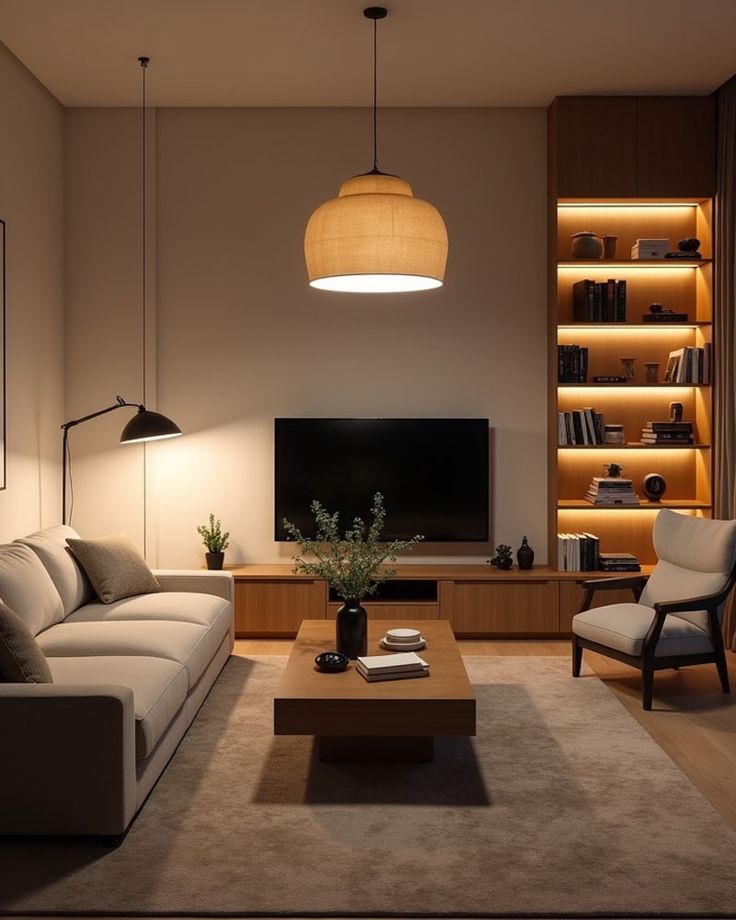
Why Most Living Room Lighting Falls Flat
The issue isn’t just the ceiling light itself, It’s the role we’ve given it.
In most homes, overhead lighting is expected to carry the entire room and it becomes the default solution for all lighting, regardless of time of day or mood.
But a single light source, placed in the centre of the ceiling, can only do one thing well…It makes everything visible.
It does not create atmosphere.
It does not soften a space.
It does not understand how you actually use your living room.
Light from above tends to wash over everything equally, which removes contrast, flattens texture, and puts the room on display rather than letting it settle. And that’s why so many people feel slightly uncomfortable in their own space at night, even when the room technically has enough lighting.
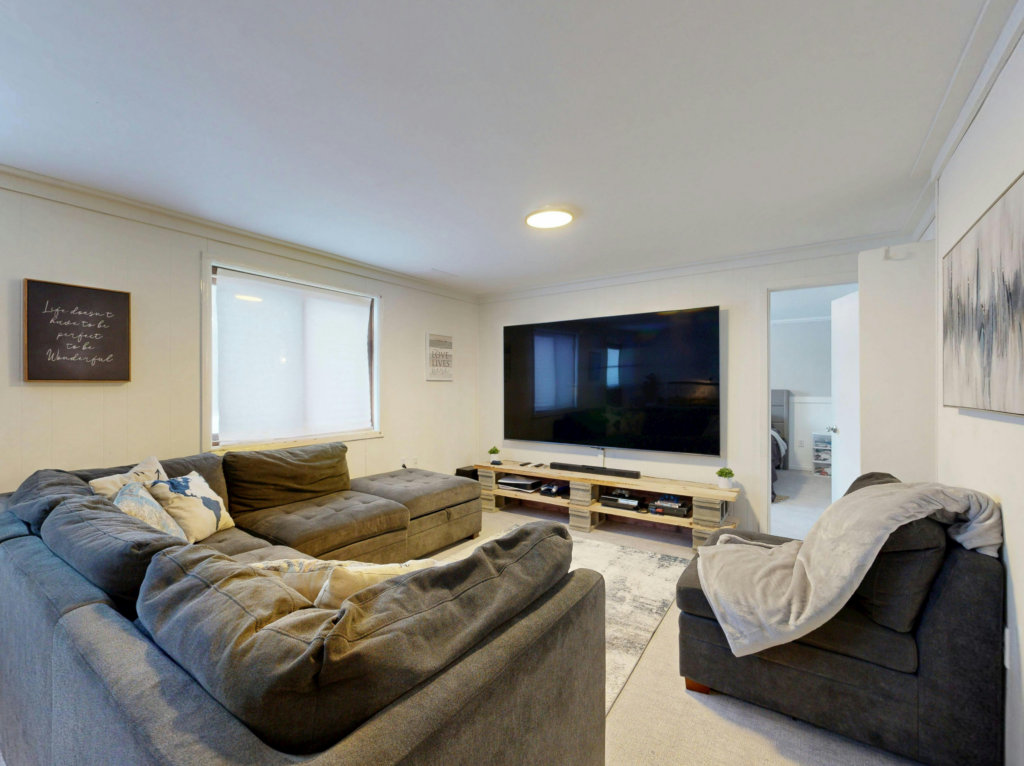
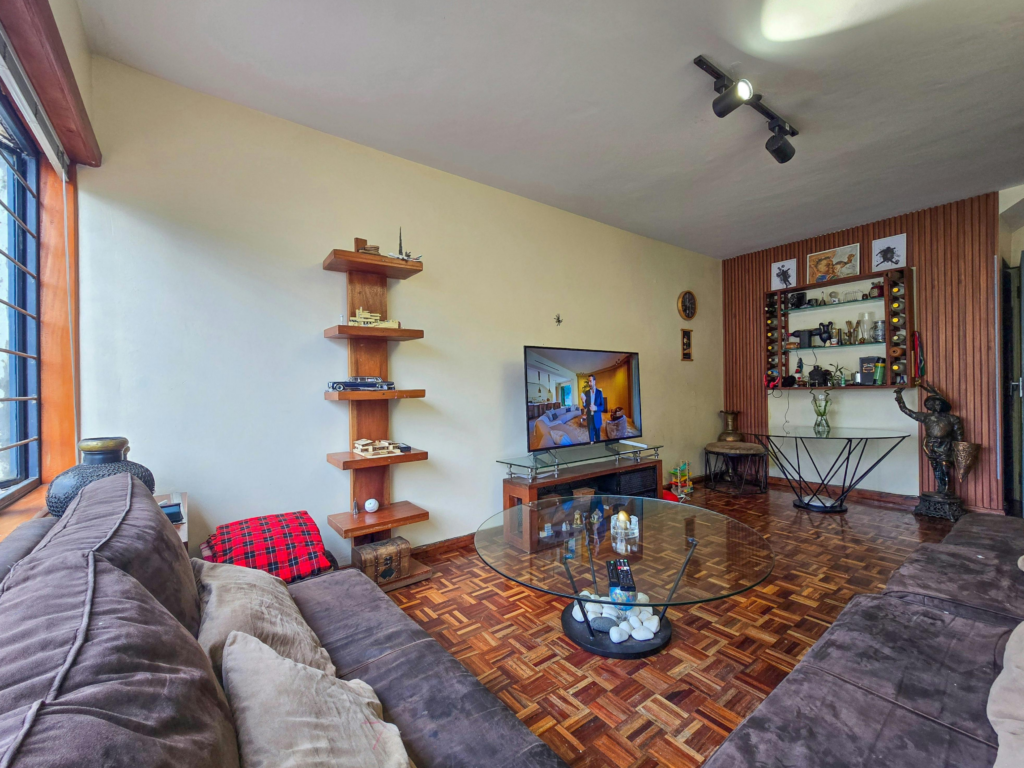
A Living Room Isn’t One Mood
Good living room lighting starts with accepting that the room itself isn’t static – It shifts throughout the day.
Morning wants clarity, the afternoon softens, evening asks for something more contained, while late night wants almost nothing at all.
And within that, your behaviour changes too.
You read, scroll, sit with someone, sit alone or you half-watch something while thinking about something else. Expecting one lighting setup to support all of that is where most lighting falls apart. This is where layering becomes less of a design concept and more of a practical tool.
Layered Living Room Lighting, Without Overthinking It
Layered living room lighting isn’t complicated.
It simply means that instead of one light doing everything, you have a few that each do something specific.
A lamp that stays on while you read.
A softer light that holds the room in the evening.
A low glow that stops the space from feeling empty.
They don’t need to match, and they don’t need to be perfectly placed. They just need to make sense for the way you actually live. When living room lighting is layered like this, the room begins to feel responsive rather than fixed.
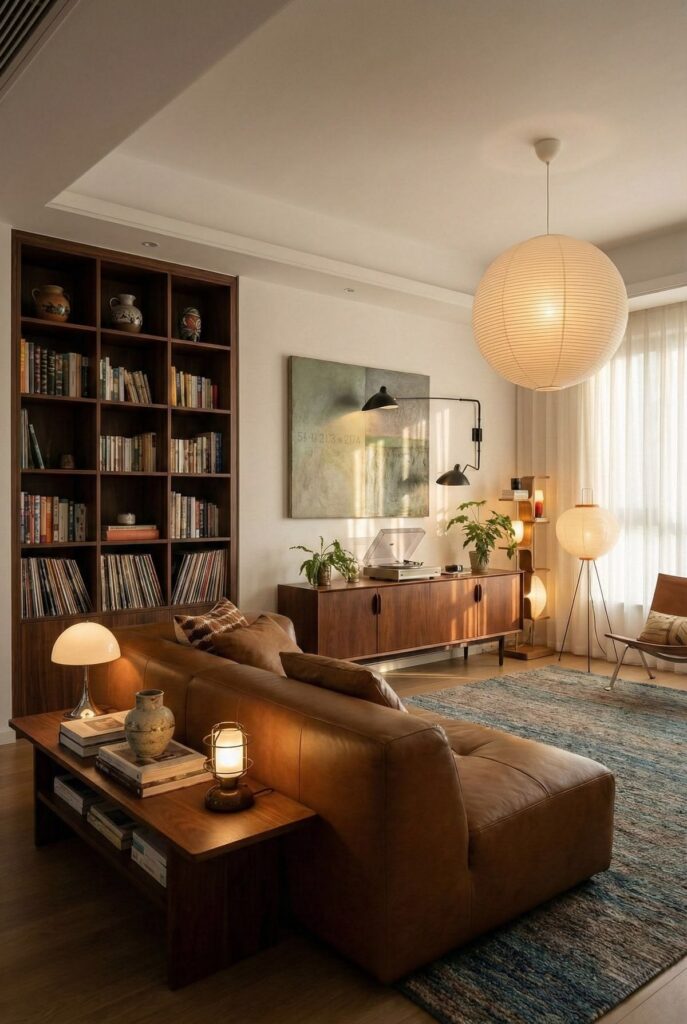
Start With Where You Actually Sit
The most useful place to begin with living room lighting is not the ceiling. It’s you.
Where do you naturally end up at the end of the day? That spot matters more than any layout plan.
If you read, your light should sit beside you or slightly behind you. If you’re resting or watching something, the light should be softer and more indirect.
This is where lighting becomes personal and aligned with how you move through the space.
Let Lighting Gather in Places
One of the biggest shifts is letting go of even coverage.
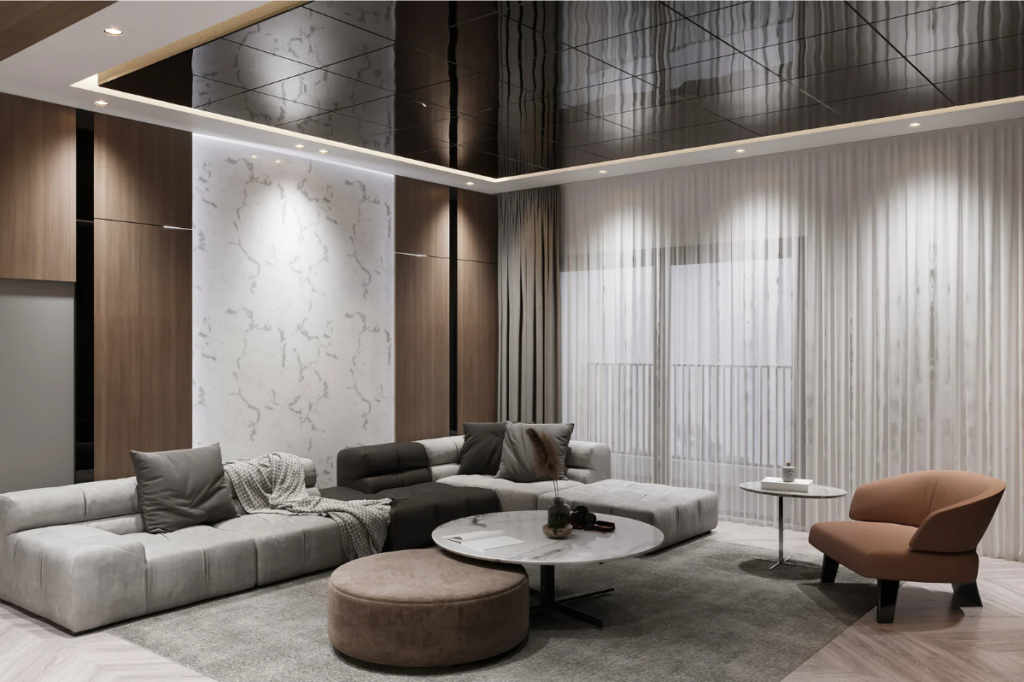
You don’t need to light the entire room equally – In fact, when you do, the room often feels flat and slightly lifeless (as below).
Instead, let light gather.
A floor lamp near the sofa will create a pocket of warmth.
A table lamp always softens the edge of the room.
A smaller light will bring depth to a darker corner.
These moments of living room lighting overlap gently, creating a sense of cohesion without uniformity.
Warm Lighting Changes the Entire Mood
Colour temperature is one of the most overlooked parts of any lighting.
Cool light can feel useful, but it rarely feels comfortable in the evening. It keeps the body alert.
Warm living room lighting does the opposite. It softens edges, helps signal that the day is ending, and allows the room to settle.
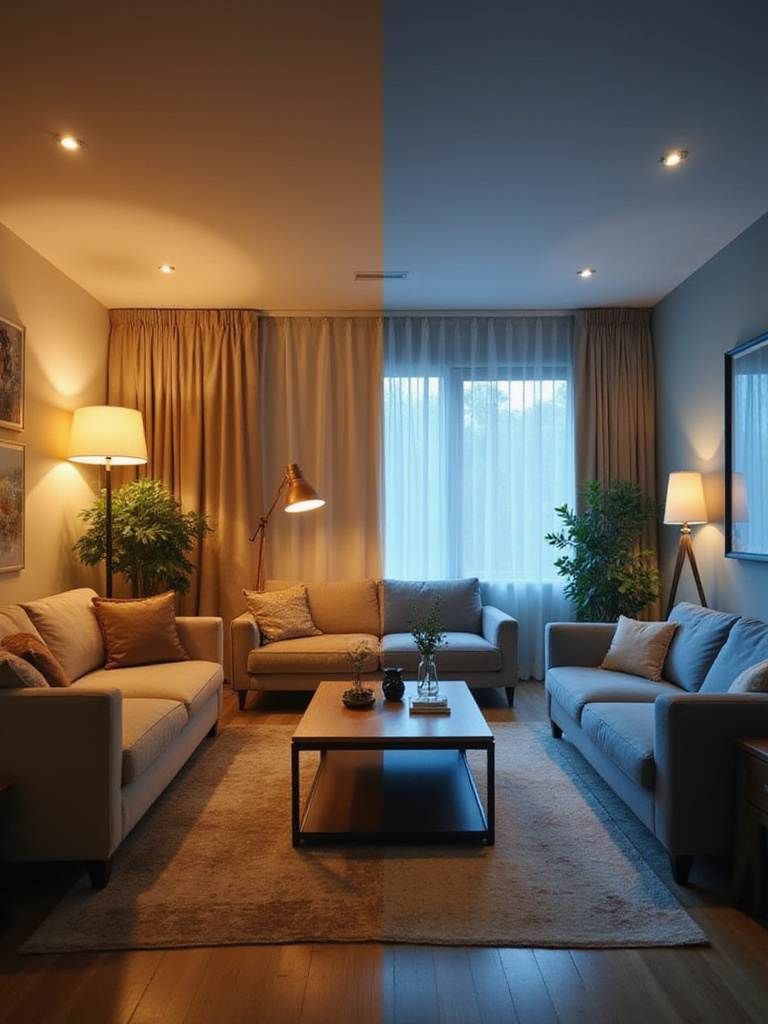
If a space feels slightly off at night, even with multiple lamps, this is often the reason.
Dimmers Make Lighting Flexible
And finally, dimmers change how lighting behaves.
They allow the room to shift gradually instead of forcing a choice between bright or dark. It’s a small adjustment, but it makes the space feel more responsive, and rooms that respond, tend to hold people longer.
When Living Room Lighting Finally Works
You’ll know your living room lighting is right when you stop thinking about it. You sit down, and the room already feels settled. You don’t rely on one switch – You choose what you need, or sometimes nothing at all.
The space holds you a little more , evenings stretch on, conversations linger, and rest feels easier to access. And this is the moment when big light stops being the centre of the story.
Are you ready to layer your lighting? let me know here: https://wylderwoodsdesign.com/connect
There’s a particular kind of disappointment that happens at around 7pm.
You’ve finished the day, you’re make a cup of something warm. Stepping into your living room, you reach for the switch, and the ceiling light comes on.
And the whole room changes in a way you didn’t ask for It’s suddenly too bright, but not in a comforting way. Perhaps the corners disappear, your sofa looks flatte, and the atmosphere you thought you were about to step into doesn’t exist.
So you turn it off again.
And for a moment, you just stand there, letting your eyes adjust, hoping the room will feel better on its own.
Most people describe this as wanting “cosy lighting”. But cosy isn’t a style, it’s a response to how lighting either supports you, or doesn’t.
Why Most Living Room Lighting Falls Flat
The issue isn’t just the ceiling light itself, It’s the role we’ve given it.
In most homes, overhead lighting is expected to carry the entire room and it becomes the default solution for all lighting, regardless of time of day or mood.
But a single light source, placed in the centre of the ceiling, can only do one thing well…It makes everything visible.
It does not create atmosphere.
It does not soften a space.
It does not understand how you actually use your living room.
Light from above tends to wash over everything equally, which removes contrast, flattens texture, and puts the room on display rather than letting it settle. And that’s why so many people feel slightly uncomfortable in their own space at night, even when the room technically has enough lighting.
A Living Room Isn’t One Mood
Good living room lighting starts with accepting that the room itself isn’t static – It shifts throughout the day.
Morning wants clarity, the afternoon softens, evening asks for something more contained, while late night wants almost nothing at all.
And within that, your behaviour changes too.
You read, scroll, sit with someone, sit alone or you half-watch something while thinking about something else. Expecting one lighting setup to support all of that is where most lighting falls apart. This is where layering becomes less of a design concept and more of a practical tool.
Layered Living Room Lighting, Without Overthinking It
Layered living room lighting isn’t complicated.
It simply means that instead of one light doing everything, you have a few that each do something specific.
A lamp that stays on while you read.
A softer light that holds the room in the evening.
A low glow that stops the space from feeling empty.
They don’t need to match, and they don’t need to be perfectly placed. They just need to make sense for the way you actually live. When living room lighting is layered like this, the room begins to feel responsive rather than fixed.
Start With Where You Actually Sit
The most useful place to begin with living room lighting is not the ceiling. It’s you.
Where do you naturally end up at the end of the day? That spot matters more than any layout plan.
If you read, your light should sit beside you or slightly behind you. If you’re resting or watching something, the light should be softer and more indirect.
This is where lighting becomes personal and aligned with how you move through the space.
Let Lighting Gather in Places
One of the biggest shifts is letting go of even coverage.
You don’t need to light the entire room equally – In fact, when you do, the room often feels flat and slightly lifeless (as below).
Instead, let light gather.
A floor lamp near the sofa will create a pocket of warmth.
A table lamp always softens the edge of the room.
A smaller light will bring depth to a darker corner.
These moments of living room lighting overlap gently, creating a sense of cohesion without uniformity.
Warm Lighting Changes the Entire Mood
Colour temperature is one of the most overlooked parts of any lighting.
Cool light can feel useful, but it rarely feels comfortable in the evening. It keeps the body alert.
Warm living room lighting does the opposite. It softens edges, helps signal that the day is ending, and allows the room to settle.
If a space feels slightly off at night, even with multiple lamps, this is often the reason.
Dimmers Make Lighting Flexible
And finally, dimmers change how lighting behaves.
They allow the room to shift gradually instead of forcing a choice between bright or dark. It’s a small adjustment, but it makes the space feel more responsive, and rooms that respond, tend to hold people longer.
When Living Room Lighting Finally Works
You’ll know your living room lighting is right when you stop thinking about it. You sit down, and the room already feels settled. You don’t rely on one switch – You choose what you need, or sometimes nothing at all.
The space holds you a little more , evenings stretch on, conversations linger, and rest feels easier to access. And this is the moment when big light stops being the centre of the story.
Are you ready to layer your lighting? let me know here: https://wylderwoodsdesign.com/connect


LEAVE A COMMENT
Comments